Craps House Edge by Bet: A Practical Playbook for Australian Players
I have opened six properties across Asia-Pacific and run tables in eight different venues, so I know how quickly a session turns when the dice stop cooperating. Craps looks friendly on the surface, but the maths underneath decides whether you walk out ahead or hand the floor an extra few hundred. If you are weighing craps house edge by bet, treat it like a budget line rather than a thrill ride, and you will keep the game on your terms.
Where the Edge Actually Sits
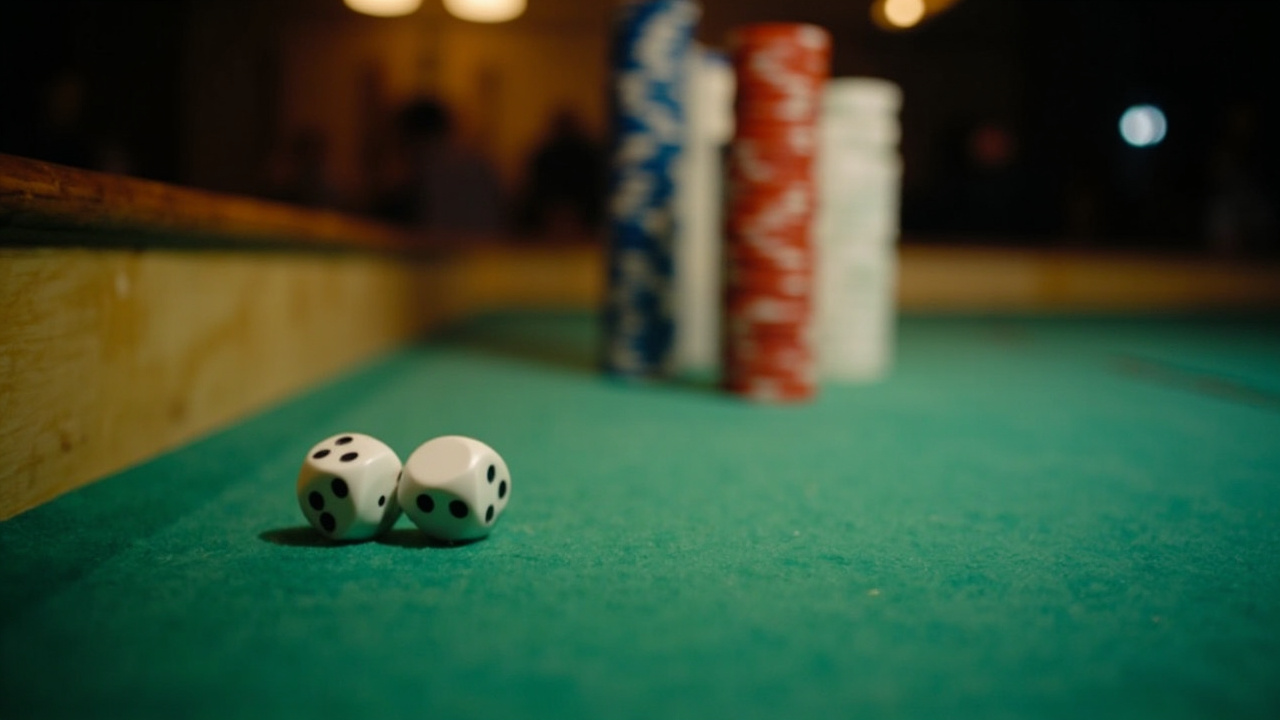
Most newcomers cluster around the loud centre of the table and ignore the fine print. I have watched that pattern repeat in Macau, Singapore, and Geelong club floors alike, and the result is the same: the dice keep rolling, and the edge keeps compounding. Craps house edge by bet is not a single number, because every proposition carries its own payout and probability, and the difference between a 1.41 per cent line bet and a hardway wager is the difference between a quiet arvo and a fast bleed.
The layout rewards patience more than noise. Pass and don’t pass lines, with or without odds, sit at the low end of the spectrum, while proposition bets on the middle of the table push the edge well above what most casual players expect. I have seen operators tune their table mix around that exact spread, because a room full of players chasing high-edge bets needs a different floor plan than a room that mostly runs line action with a few side wagers. That is why I judge a craps setup by how clearly it separates the low-edge core from the expensive distractions, not by how many flashing signs it can hang above the felt.
When I was leading pre-openings across the region, I used that same lens to decide table placement, signage, and dealer rotation. A well-run floor makes the cheap bets obvious and the expensive ones unmistakable, so players can choose without hunting for the maths. If you want a closer look at how that thinking carries into digital rooms, casinos online neteller is worth checking when you compare how clearly a site lays out its tables. The same discipline matters online as it does on a physical felt: the edge does not change just because the screen is smaller.
Reading the Table Before You Put Money Down
The low-edge core
The backbone of craps is the line action. A pass line bet carries a house edge around 1.41 per cent, and the don’t pass side sits close behind once you https://test2.therapyclinicleicester.co.uk/deep-stack-cash-game-strategy-for-australian-players/ account for the bar-one rule on the come-out. Neither is glamorous, but both are the reason seasoned players keep their sessions alive. Add odds behind those line bets and the combined edge drops further, because the odds portion pays true probability and carries no house advantage at all.
I have always treated odds as the quiet workhorse of the game. On a busy night in a property I managed, the players who lasted longest were the ones taking max odds on a line bet and letting the proposition bets sit untouched. That is not a secret system; it is simply a refusal to pay extra for noise. If you are learning the layout, start there, because the edge on those bets is low enough that variance, not maths, is usually the bigger issue.
The expensive middle
The centre of the table tells a different story. Hardways, any seven, and most proposition wagers push the edge into territory that can drain a bankroll without much warning. Some of those bets pay big, which is exactly why they are popular, but the payout is priced against a probability that does not favour the player. I have watched a table turn in minutes when a few loud wins on proposition bets draw everyone else into the same spot, and the floor keeps taking its cut on every roll.
A packed table can feel as chaotic as the Bunnings sausage sizzle queue at midday on a Saturday, but the edge does not care how busy the room is. Each roll is independent, and each proposition bet carries its own fixed disadvantage. That is the part I always explain to new dealers and floor staff during training: the maths is not negotiable, and the only real choice is whether you want to pay it.
What This Means for How You Play
If you are comparing craps house edge by bet, the useful question is not which wager wins most often, but which wager fits the way you actually want to play. A low-edge line bet with odds suits a patient session where you are happy to let variance run its course. A high-edge proposition bet suits a short, sharp punt where you accept the cost in exchange for a bigger payout and a faster result. Those are different priorities, and no single bet satisfies both.
Emily Morgan, Digital Acquisition Director, Waratah Digital Group, puts it plainly: “Players who understand the edge before they sit down are the ones who stay longer and spend with more control, because they are not chasing a feeling they think the table owes them.”
The same logic applies when you move from a physical floor to a screen. Interface clarity matters because a cluttered layout can hide the difference between a 1.41 per cent line bet and a proposition bet with a much steeper edge. Good navigation, clear labels, and local currency display make it easier to choose deliberately instead of clicking first and reading later. Chloe Gibson, Sports Betting Analyst, Swan River Interactive, notes that localisation is not just cosmetic: “When a table is labelled in a player’s own currency and the payouts are obvious, the maths becomes part of the decision instead of an afterthought.”
When every button and banner competes for attention, the risk of misclicking rises alongside the house edge. Players who value transparent layouts should review the design standards athttps://astropaycasino-au.com/en-au/ under the casinos online neteller heading to see how clear navigation protects your bankroll. Ultimately, a streamlined interface is just as important as the odds themselves when you are playing for real money.
I have run properties where the registration and payment flow had to match the table experience, because a stumble at signup or a confusing withdrawal path undermines the whole session. Cooper Fraser, Head of Operator Partnerships, Flinders Interactive Group, makes the point from the operator side: “If the onboarding feels clunky, players never get to the part where the game earns its keep, and the edge stops mattering because the experience has already broken trust.”
For a digital room built around craps house edge by bet, I would want the registration to be straightforward, the currency to match what I am used to, the table list to separate low-edge line action from the expensive middle, and the support path to be easy to find before I need it. Loyalty mechanics should reward consistent play without turning the edge into a puzzle, and mobile play should keep the same clarity rather than shrinking the layout into something hard to read. None of that changes the maths, but all of it changes whether the maths is visible when you make your choice.
- Pick the table style that matches your session length and budget.
- Start with a line bet and decide in advance whether you will take odds.
- Set a stop point for the session before the first roll, not after a win.
- Treat proposition bets as optional extras, not the main event.
- Check the payout labels and currency before you place the first wager.
- Leave the expensive middle alone until you can explain its edge in your own words.
The verdict is straightforward: craps rewards the player who knows where the edge sits and chooses accordingly. Line action with odds keeps the cost low, proposition bets carry a higher price, and the table does not care which mood you bring to it. Play the bets that match your priorities, ignore the noise, and let the maths do what it does.