I was sitting in a Western Sydney café last week, watching the morning rush bleed into a slow arvo, when the conversation turned to online pokies and how often punters actually get paid back. That chat is the reason this piece exists. Payout ratio pokies are not a magic dial you can twist; they are a published figure that sits inside a much bigger machine of game design, platform architecture, and payment flow. If you treat the number as the whole story, you will misread the room.
What the payout ratio actually measures
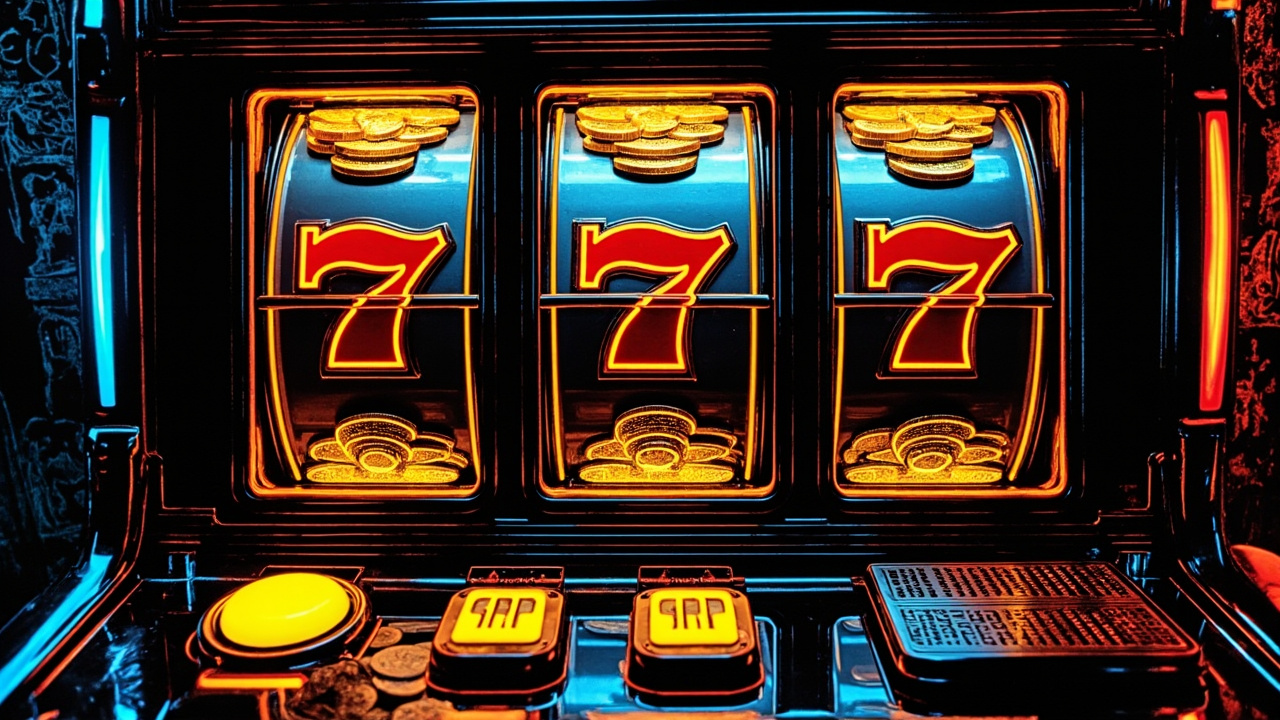
The payout ratio on a pokie is the long-run percentage of wagered money a game is programmed to return to players across millions of spins. It is a theoretical house-edge figure, not a promise that any single session will land anywhere near it. A game listed at 96.5 percent can still drain a bankroll in a short run, because variance does the heavy lifting in the short term and the programmed return only shows up over time.
When I talk to engineers at Stake and KICK about how we surface these figures, the first thing I stress is consistency. You cannot publish one return figure on the lobby page, another inside the game info modal, and a third buried in a help article. The architecture has to pull from the same source of truth every time a player asks for it. That is the same discipline I apply when I map search requirements against large-platform architecture across our brands: if the data layer disagrees with the front end, players lose trust and the search team inherits the fallout.
A good payout ratio figure also needs context around volatility. Two pokies can share a 96 percent return and behave completely differently. One pays small amounts frequently; the other holds back and releases larger wins less often. The ratio does not tell you which one suits your session length, your bankroll, or your patience. It only tells you what the maths says over a very long horizon.
Reading the number without getting misled
Where the figure comes from and what it leaves out
Every reputable pokie return figure starts with the game provider’s mathematical model, which is audited and locked before the title goes live. The number reflects base-game returns under standard rules, and it usually excludes side features that behave differently. That matters because a bonus round can have its own return profile, and the headline figure on the lobby page does not always capture the full picture.
I have seen platforms present a single percentage as if it covers every mode of play. It does not. A free-spins feature might be tuned for higher hit frequency but smaller average wins, or the reverse. If a player is comparing payout ratio pokies across a lobby, the fair comparison is game to game under the same rules, not one game’s base return against another game’s bonus return.
How the ratio interacts with your bankroll and session
The return figure only becomes useful when you pair it with how you actually play. A 97 percent game still loses money to the house over time; the percentage just describes how much of the wagered total is paid back across the long run. If you are sitting down for a short session, the variance can swing either way well before the maths settles.
That is where a lot of players get tripped up. They read a higher payout ratio and assume the game will be kinder over a lunch break. It might be, or it might not. The ratio is a population-level statistic, not a session guarantee. The more useful question is whether the game’s volatility matches the size of your bets and the length of time you plan to play.
What the platform’s role adds to the picture
The game’s return is one piece; the platform around it is another. Payment flow, verification, and cashier behaviour do not change the pokie’s maths, but they change how easily you can move money in and out of the session. A platform that makes deposits and withdrawals slow or opaque can make even a well-documented payout ratio feel irrelevant, because the practical experience of playing is what you live with.
When I am connecting search requirements with engineering on large-platform architecture, I treat the cashier as a first-class feature, not a footnote. If a player cannot move through verification cleanly, or if the currencies and limits do not match the audience they are actually serving, the return figure on the lobby is half the story at best. That is why I pay as much attention to how the payment stack is built as to how the game maths is presented.
Deciding whether a pokie’s return suits your play
If you are weighing payout ratio pokies before you sit down, start with the session you actually expect, not the one you hope for. Short sessions are dominated by variance, so a higher return figure does not automatically mean a better outcome for that afternoon. Longer sessions give the maths more room to show up, which is when the published ratio becomes more meaningful as a comparison tool.
Next, match the volatility to your bankroll. A game that pays frequently in smaller amounts can feel steadier if you are playing small lines for a stretch of time. A higher-volatility title can chew through a bankroll faster between wins, even when its return figure looks big-red-pokies.com similar on paper. The right fit depends on how much drawdown you are comfortable sitting through, not on the percentage alone.Themonthly
Finally, check that the platform’s payment and verification setup matches your practical needs. If you are playing in Australian dollars and you want a clear flow from deposit to cashier to withdrawal, confirm the currencies, limits, and processing expectations before you rely on any game figure. I have seen players focus entirely on the pokie’s return and then get caught out by a cashier flow that was never built for the way they actually move money. A platform that presents its figures clearly and runs its payment architecture cleanly is easier to evaluate honestly, and that matters more than any single number in isolation.
Zoe Nelson, Head of Operator Partnerships, Capital Territory Gaming Forum, puts it plainly: “A return figure is only useful when the player can see it in the same place as the rules that shape it, and when the platform around the game is not quietly reshaping the experience.” That is the kind of judgement call I agree with, because the number and the environment have to be read together.
A practical fit check before you play
Before you commit to a session, ask three plain questions. What return figure does this pokie publish, and under what rules? Does the volatility match the bankroll and session length I have in mind? And does the platform’s payment flow and verification setup suit the way I actually want to deposit and withdraw? If the answer to any of those is fuzzy, the payout ratio alone is not enough to lean on.
For players in regional areas, distance to a physical venue and the reliability of local internet can shape how you play just as much as the game maths. A session that depends on a stable connection and a clear cashier is a different proposition when you are a long way from a venue and working with whatever connection you have that evening. None of that changes the return figure, but it does change whether the whole setup is a good fit for how you play.
Closing thoughts
Payout ratio pokies are a useful comparison tool when you read them honestly and pair them with the right context. The figure tells you about long-run maths, not short-run outcomes, and it only becomes genuinely helpful when you also weigh volatility, session length, and the platform’s payment and verification flow. Treat the number as one part of the picture, not the whole verdict, and you will make a cleaner decision about where to spend your time and money.https://elvis-frog-au.com
If the numbers look too good to be true, cross-check them against independent audits and operator histories before committing funds. You can find more on responsible gambling habits at this Australian business news resource. Balancing the thrill with a clear understanding of the terms ensures you stay in control of your play.